For Research Purposes Only. Not approved for human consumption.
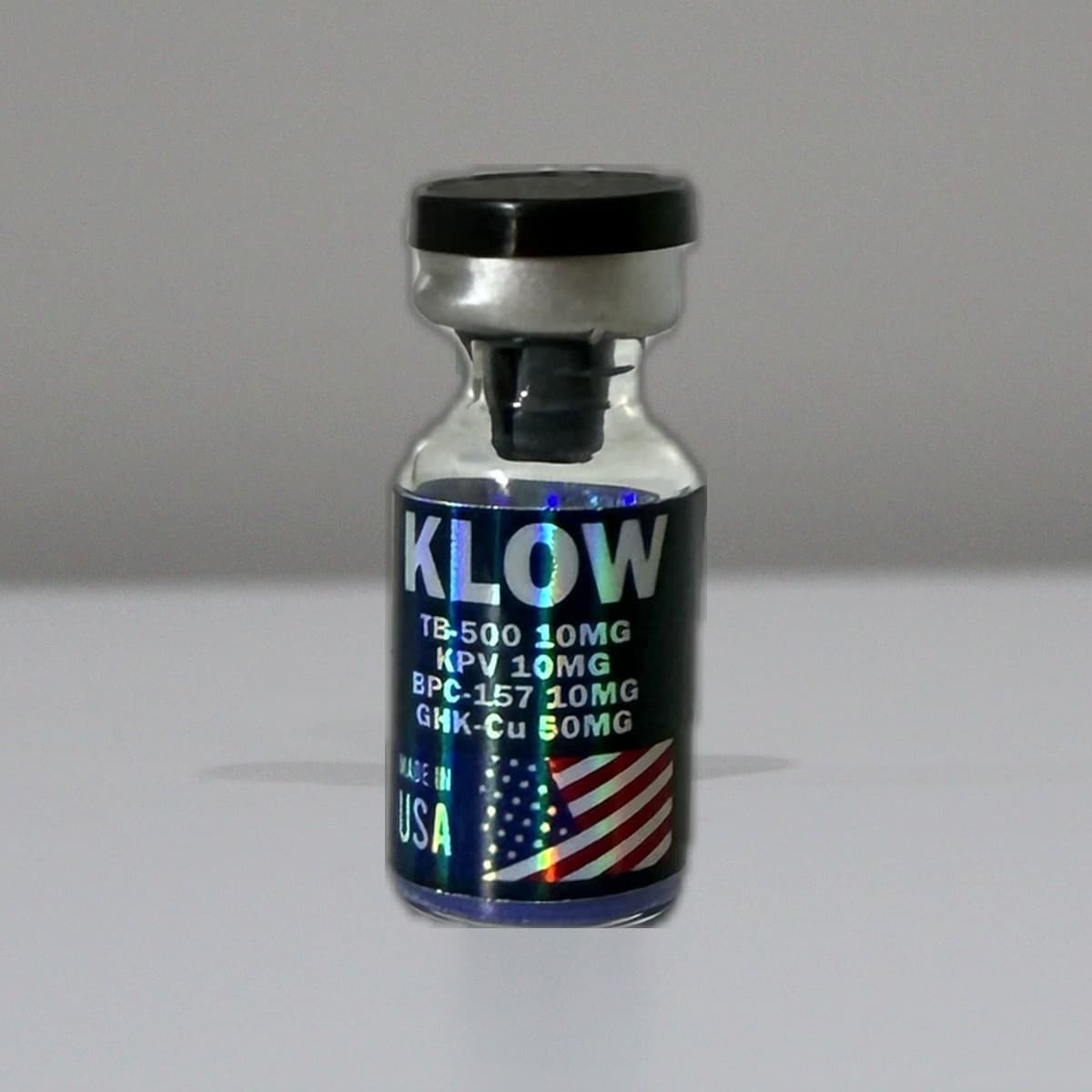
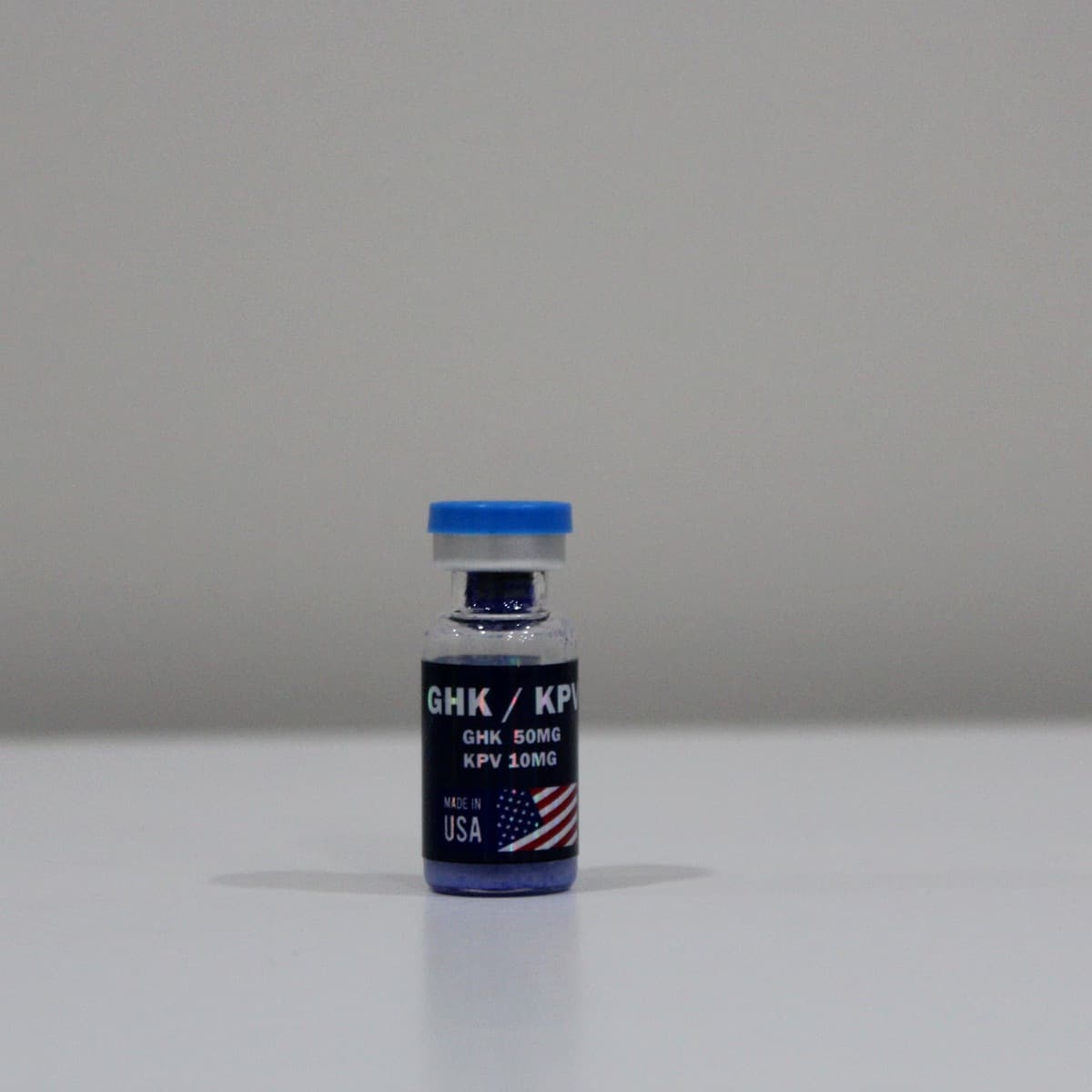
GHK-Cu + BPC-157 + TB-500 + KPV KLOW Stack Research Peptide Blend 80mg (50mg/10mg/10mg/10mg)
The KLOW Stack is Palmetto Peptides' most complete multi-pathway research blend, combining four well-characterized peptides into a single lyophilized vial: GHK-Cu (50mg), BPC-157 (10mg), TB-500 (10mg), and KPV (10mg). Unlike single-peptide formulations, the KLOW Stack targets four distinct biological mechanisms simultaneously — collagen remodeling, angiogenesis, cytoskeletal repair dynamics, and inflammatory signaling regulation — allowing researchers to investigate multi-pathway tissue biology without running separate compound protocols. All components are supplied at ≥98% HPLC-verified purity, endotoxin-free (<1 EU/mg), with batch-specific COAs from ISO-accredited testing facilities.
Research Applications
- Multi-pathway anti-aging and tissue regeneration biology
- Musculoskeletal injury models — tendons, ligaments, muscle tissue
- Gastrointestinal mucosal biology and intestinal permeability studies
- Inflammatory disease models — NF-κB pathway modulation research
- Wound healing, scar formation, and dermal matrix studies
- Skin aging, collagen synthesis, and antioxidant gene expression research
- Cardiovascular tissue regeneration and vascular remodeling models
- Comparative single-peptide vs. multi-peptide combination protocols
Component Research Overview
- GHK-Cu (50mg) — MW: 340.9 g/mol | C₁₄H₂₄N₆O₄·Cu: Copper-binding tripeptide (Gly-His-Lys-Cu²⁺) first isolated from human plasma in 1973 by Loren Pickart. Extensively published research demonstrates roles in collagen and elastin synthesis, matrix metalloproteinase regulation, superoxide dismutase and catalase upregulation, and wound contraction. Copper(II) coordination enables modulation of copper-dependent enzymatic processes in connective tissue and activates a broad set of wound-healing and anti-aging genes.
- BPC-157 (10mg) — MW: 1,419.5 g/mol | C₆₂H₉₈N₁₆O₂₂: Pentadecapeptide (15 amino acids) originally identified as a partial sequence of a protein found in human gastric juice. Research across multiple rodent models demonstrates promotion of blood vessel development via nitric oxide and VEGF signaling pathways, mucosal healing, tendon-to-bone insertion repair, and systemic anti-inflammatory activity. Also studied for cytoprotective effects on endothelial cells and gastrointestinal epithelium.
- TB-500 (10mg) — MW: 3,351.0 g/mol | C₂₁₂H₃₅₀N₅₆O₇₈: Synthetic analog of Thymosin Beta-4 — a 43-amino-acid segment of a protein present in most animal cells. Research focuses on filamentous actin (F-actin) sequestration and cytoskeletal dynamics that enable cell migration during tissue repair. Animal models show roles in muscle and tendon healing, reduced scar formation, and cardiac tissue remodeling following ischemic injury.
- KPV (10mg) — MW: 393.5 g/mol | C₁₉H₃₁N₅O₄: Tripeptide (Lys-Pro-Val) representing the biologically active C-terminal fragment of alpha-melanocyte-stimulating hormone (α-MSH). Published research demonstrates NF-κB pathway inhibition — a master regulator of inflammatory gene expression — with reduction of pro-inflammatory cytokines including IL-6, IL-8, and TNF-α in intestinal epithelial and skin keratinocyte cell lines. KPV is notable for modulating inflammatory responses without broadly suppressing immune function. Also studied in murine colitis models for protective effects on gut mucosal integrity and in wound healing models for anti-inflammatory dermal activity.
Quality Specifications
- Purity: ≥98% (HPLC verified)
- Endotoxin: <1 EU/mg
- Compound: KLOW Stack Blend (GHK-Cu / BPC-157 / TB-500 / KPV)
- Total Peptide Content: 80mg (50mg / 10mg / 10mg / 10mg)
- Form: Lyophilized powder
- Origin: Made in the USA
- Testing: Third-party tested in a US laboratory
- Storage: -20°C long-term; 2–8°C short-term; protect from light
- Once reconstituted: refrigerate at 2–8°C only — do not freeze. Use within 2–4 weeks. See our full storage guide.
- Reconstituted stability: Use within 30 days at 2–8°C
- COA: Batch-specific, ISO-accredited laboratory
Frequently Asked Questions
Q: What makes KLOW different from the Glow Stack?
A: The KLOW Stack adds KPV (10mg) to the Glow Stack formula (GHK-Cu + BPC-157 + TB-500), extending the blend's research scope into NF-κB-mediated inflammatory pathway regulation and intestinal mucosal biology. Researchers studying gut epithelial integrity, inflammatory disease models, or systemic anti-inflammatory mechanisms will find KPV adds a distinct fourth axis not covered by the three-peptide Glow formulation.
Q: How does KPV modulate inflammation without suppressing immunity?
A: Unlike broad immunosuppressants, KPV's published mechanism acts selectively on NF-κB signaling — reducing pro-inflammatory cytokine gene expression (IL-6, IL-8, TNF-α) without globally impairing immune cell function. In vitro studies in intestinal epithelial cells show it can reduce inflammatory signaling while preserving baseline immune responsiveness, making it relevant for studying targeted anti-inflammatory interventions.
Q: Can the KLOW Stack components be used independently?
A: Yes. GHK-Cu, BPC-157, TB-500, and KPV are each individually available from Palmetto Peptides and can be used independently or in combination per your research design. The KLOW Stack vial provides a pre-combined blend for convenience in multi-peptide protocols.
Q: What reconstitution volume is recommended for research use?
A: Standard research practice: add 2mL bacteriostatic water (BAC water) slowly along the vial wall, gently swirl — do not shake. This yields approximate concentrations of GHK-Cu 25mg/mL, BPC-157 5mg/mL, TB-500 5mg/mL, KPV 5mg/mL. Adjust volume per your study protocol requirements.
Related Research: Glow Stack 70mg | GHK-Cu 100mg | GHK-Cu + KPV Blend | KPV 5mg | BPC-157 Research Peptide | Wolverine Stack
For laboratory research use only. Not for human or veterinary use. Not a drug, food, or cosmetic. Not evaluated by the FDA. Not intended to diagnose, treat, cure, or prevent any disease or medical condition. Must be handled by qualified researchers in compliance with all applicable local, state, and federal regulations.